Introducing

Philips steam irons

Whether you want to look sharp for the office, stylish heading out with friends, or glamorous for that first date, Philips steam irons are here to help you keep your clothes smart, chic and crease-free.

Discover the range

With a range of high quality and reliable products, from steam irons and ironing systems to complete wardrobe care solutions, Philips has all your ironing needs covered. Remove wrinkles and creases quickly, iron easily and comfortably, and always look your best. Check out the range now and find your ideal Philips steam iron.

Looking after your clothes

Ever shrunk a favourite shirt? Or left an iron mark on your trousers? Then take a moment to check out the Care Guide for some great advice. You’ll find all the essential information you need to keep your clothes looking brand new, plus professional tips on getting rid of stains and much more.

Discover the complete range

Steam irons

Steam irons

Enjoy powerful steam, easy gliding and effortless crease removal, guaranteed. Get the best possible results, even on tough fabrics like cotton and linen.

See products

Ironing systems

System irons

Cut your ironing time in half, with an ironing system that brings professional steam ironing to your home. Perfect for big families and their big ironing piles, or when you’re short of time and need to get pressed and dressed, fast.

See products

Why Philips?

Alternative content

Get Adobe Flash player

Garment care symbols explained

  • Washing
    • Machine wash
    • Cottons cycle
    • Synthetics cycle
    • Delicates cycle
    • Hand wash only
  • Tumble drying
    • May be tumble dried
    • Tumble dry cool
    • Tumble dry hot
    • Do not tumble dry
  • Drying
    • Line dry
    • Dry flat
    • Dry in shade
    • Drip dry
    • Do not dry
    • Do not wring
  • Ironing
    • Cool iron (110°C)
    • Warm iron (150°C)
    • Hot iron (200°C)
    • Do not iron
  • Bleaching
    • Any bleach allowed
    • Only oxygen / non-chlorine bleaches
    • Do not bleach
  • Dry cleaning
    • Dry-clean, any sovlent except petroleum
    • Dry-clean, any solvent except trichloroethylene
    • Dry-clean, petroleum solvent only
    • Do not dry-clean

All your clothes have labels in them, with symbols to explain how to wash and care for the garment. However, some of those symbols can be difficult to understand. But don’t worry, Philips is here to help. Roll over to see examples of the symbols.

Care guide

Download our free Care Guide as a PDF and get expert ironing and garment care instructions.

Download the guide

All about the fabrics

The classic choice

Comfortable, breathable and easy to clean, cotton is a classic fabric that never goes out of fashion. The only downside? It creases easily.

Cotton is very versatile and usually fine when washed in cool water, around 30°C or 40°C. Cotton creases are tough to remove, so make sure you use the right iron. An ironing system, or a powerful steam iron that can penetrate the garment, works best. Of course, you should always check the label for garment-specific tips.

Turn denim jeans inside out. Always divide light and coloured clothes into separate washes. All cotton items are prone to shrinking in tumble-dryers, so be careful.

When you’re hanging out your laundry to dry, take a moment to shake out folds, poke pockets back in and smooth creases. It’s a simple trick that makes ironing so much easier later on.

The elegant choice

Nothing beats the smooth luxury and classic elegance of silk. Just make sure you treat it right. And that usually means dry-cleaning.

Silk lingerie and some pre-washed silk may respond well to a gentle hand washing but test a small piece first and never wring the water out of the garment once washed. Dry it flat instead.

When it comes to ironing, set the temperature to one dot and turn off the steam to stop water leakage. Look for a steam iron with a drip stop feature to minimise leakage. You’ll also want a steam iron that glides smoothly so it doesn’t harm the fabric. Some steam irons even come with a fabric protector for added peace of mind.

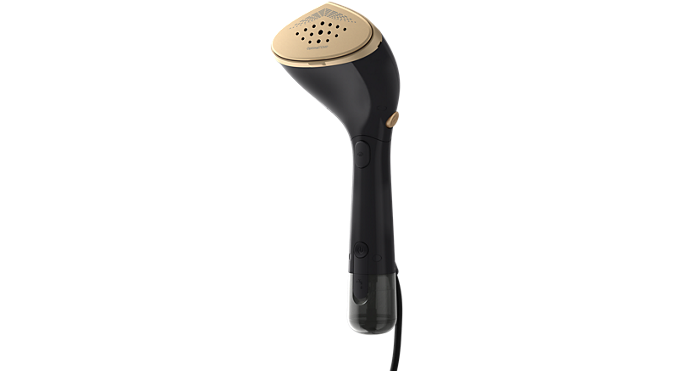
You can also iron your silk items under a layer of cotton sheet or a towel, just in case. Steaming is ideal for silk, so consider investing in a steamer if you want your silk to look and feel perfect.

Extra tip: keep silk away from direct sunlight, as it can make it go yellow.

The summery choice

Sturdy, comfy, stylish – and one of the most wrinkle-prone fabrics, linen gets softer with wear and washes, and you can wash it up to 60°C.

Most linen dresses are best dry-cleaned. When you’re washing linens at home, only half fill the machine to minimise creases. And avoid tumble-drying linen items to prevent shrinkage.

Like cotton, it can be tough to remove creases from linens, so make sure you use the right iron. A ironing system or a powerful steam iron that can penetrate the garment works best.

To prevent darker colours fading, always iron your items on the wrong side.

The winter choice

Warm, snuggly, and all-natural: wool is a winter favourite and sometimes requires a little extra care and attention.

Don’t wash wool too often. Instead, brush away any surface dirt and remove spot stains. Ideally you should let wool rest for 24 hours between wears to allow it to regain its shape. When you do wash it, use soap that’s designed to wash woolens with water at 30°C.

Remember, wool can shrink from heat, so never put it in a dryer unless the garment care symbols specifically instruct you to.

Iron wool items inside out so you don’t burn the wool fibres. Look for a steam iron that glides smoothly so it doesn’t harm the fabric. Some steam irons even come with a fabric protector for added peace of mind.

Cashmere needs special care. For best results, hand wash in cold water, never pull it out of shape, and dry it flat on several towels.

The modern choice

Synthetic fibres are simple to care for, and usually fall into the wash-and-wear category. The downside? They don’t let your skin breathe and trap odours, so need to be washed more often than natural fabrics like wool.

When you’re washing synthetics, always check the label. There is a huge range of man-made fabrics, each with different care requirements. As a general rule, don’t wash synthetics at high temperature and avoid the tumble-dryer.

When it comes to ironing, set the temperature to one dot and turn off the steam to stop water leakage. Look for a steam iron with a drip stop feature to minimise leakage.

You can also iron your silk items under a layer of cotton sheet or a towel. It reduces the risk of accidentally melting the fibres, which will give your clothes an unwanted ‘shiny’ look.

Stain library

General guide

Fresh stains are always easier to remove, so act fast. Blot the stain with cloth and a paper towel and, where possible, stain-specific product. Don’t rub the stain as it might spread it. Most stains will respond well to a good soak before you put them in the machine. Just check the fabric care symbols first.

It can take up to 30 minutes to remove a really stubborn stain, so persevere even if you don’t think you’re making progress. You may also need to wash it several times, so don’t give up.

Stains

Every stain has a secret: the best way to get rid of it. You may know about soda water for red wine, but read on for our expert tips on keeping your clothes stain-free, time after time.

Clean it

Chewing gum

Put the garment in a plastic bag and leave it in your freezer for an hour. Once frozen you should be able to crack the gum in half, or gently chip it off with a knife.

Ink

Try a non-acetate hairspray, or apply a paste of mustard and water. Leave it for 15 minutes, then wash and rinse. For felt-tips pens, use methylated spirits. For white fabrics, the stain may be harder to remove. Try applying salt and lemon and hold over steam.

Wax

Chip away as much wax as you can, then cover what remains with paper towels or plain paper and press a warm iron on top. Change the paper towels as the wax absorbs.

Grass

Sponge the back of the stain with methylated spirits. Wash as normal.

Blood

Soak the garment in cold, salted water before you wash. If the stain’s old, you can add a few drops of ammonia, or apply a paste of cornflower and water then brush it off when dry before washing.

Tea and coffee

Soak the garment in a little warm water. Gently rub in liquid detergent then wash according to instructions.

Grease

Scrape away any excess grease then sprinkle with talcum powder and leave to stand for 20 minutes. Brush away the powder, pretreat the stain, and wash according to care label instructions.

Compare products

Compare products

See all products and compare them before you decide

Start now  

Receive our newsletter

Enter your email address

Subscribe
Privacy Policy

Need support?

Access our extensive online support information or contact us.

Visit support